Incense Making: Absolutes, Enzymes, a Commission for The World Makes Scents, and More
Experimenting with absolutes, enzymes, natural isolates, and completing an incense formula commission for The World Makes Scents.
As loyal followers of the website will know, I moved recently. I’ve had some incense reviews written for a while now, but I’ve been hesitant to publish them as I wanted to wait until I was able to dig out my DSLR camera and take some proper pictures. Well, the arrival of a very nice wee kitten by the name of Robert Burns has given me the motivation I needed to do just that, so I thought I’d quickly write about some of the incense-related things I’ve been up to.
Dealing in Absolutes—and a Resinoid #
The word on the street is that absolutes work quite well in combustible incense versus essential oils for materials that don’t behave nicely in the burn. Stephen of ORS also once pointed out to me that an ethanol-based extract such as a tincture or a percolate is basically a poor-mans absolute, and I have successfully used these in combustible incense once or twice now. So while I have been enjoying making my own percolates, I realize that in many cases it makes sense to buy an absolute, where one is available, for reasons of economics and repeatability. I bought some samples as a result, but I was afraid to use (read: waste) them until recently.
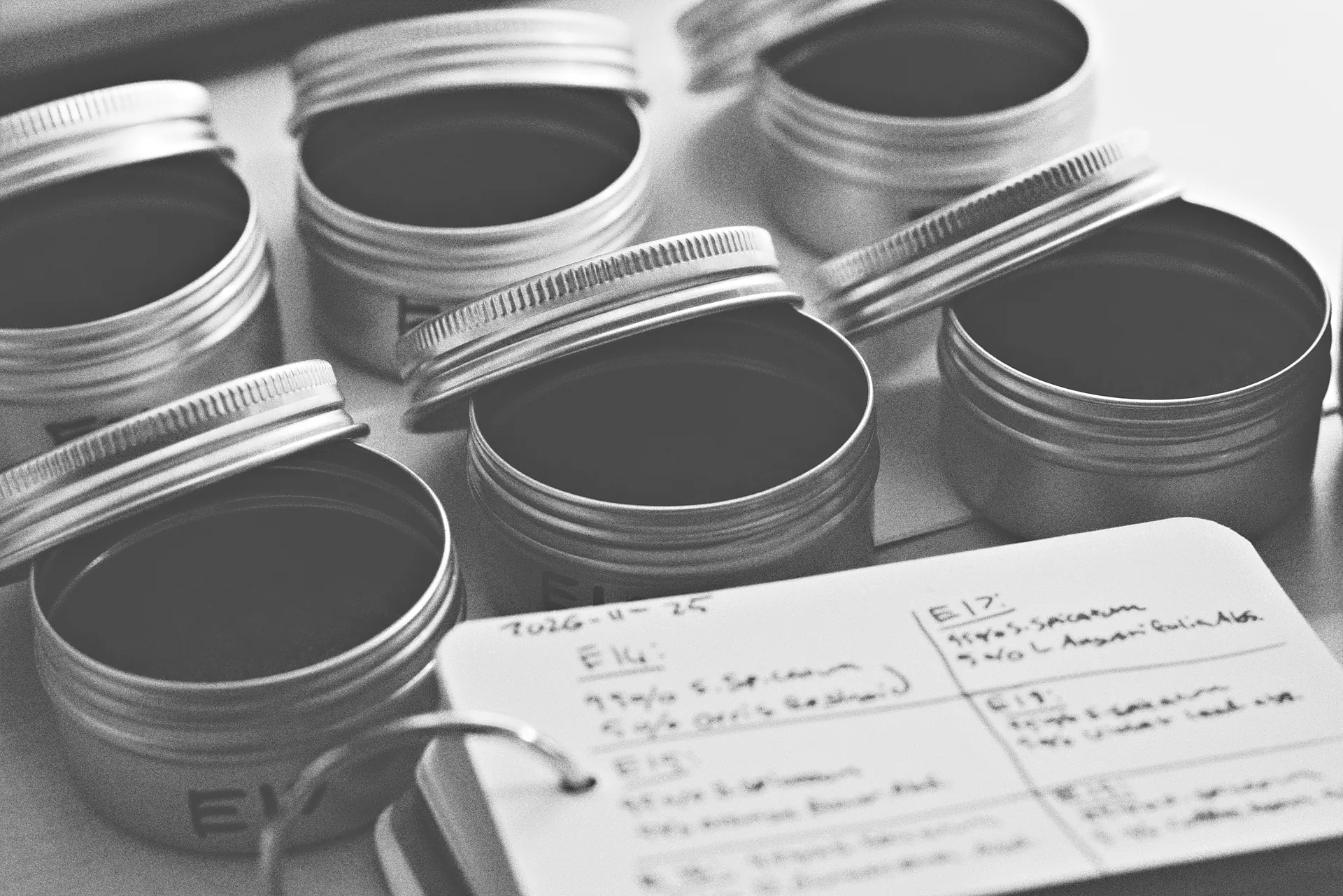
As I have some time off this week, I decided to actually dig in and experiment with my absolutes. First, I diluted a number of them to 10% in 96% ethanol. Today, I took five absolutes plus an orris resinoid and added them to some Australian sandalwood. The plan from here is to let the alcohol evaporate off, and then conduct a series of burn tests to see how they smell. If I have any left over from my one-gram samples following the burn tests, it will also be nice to get an idea as to how long the fragrances will remain in the wood. In addition to the orris resinoid, I am testing coffee, lavender, orange blossom, rose, and violet leaf absolute.
Enzymatic Processing #
Bonnie of Esprit de la Nature put me in touch with a gentleman in Australia who knows a thing or two about using enzymes to break down components in incense materials that negatively impact fragrance in the burn. In addition to sharing his personal knowledge on the topic, he advised me to read Galaxy of Scents: The Ancient Art of Perfume Making by Mary Lynne.
Mary was a perfumer who used a unique process involving flower juice, skulking about the garden in the small hours of the morning, golden funnels, positive affirmations, and, critically, various enzymes to produce perfumes from whole botanicals. In her book, she writes about the history of perfume, describes her perfume making process, and touches on various types of incense.
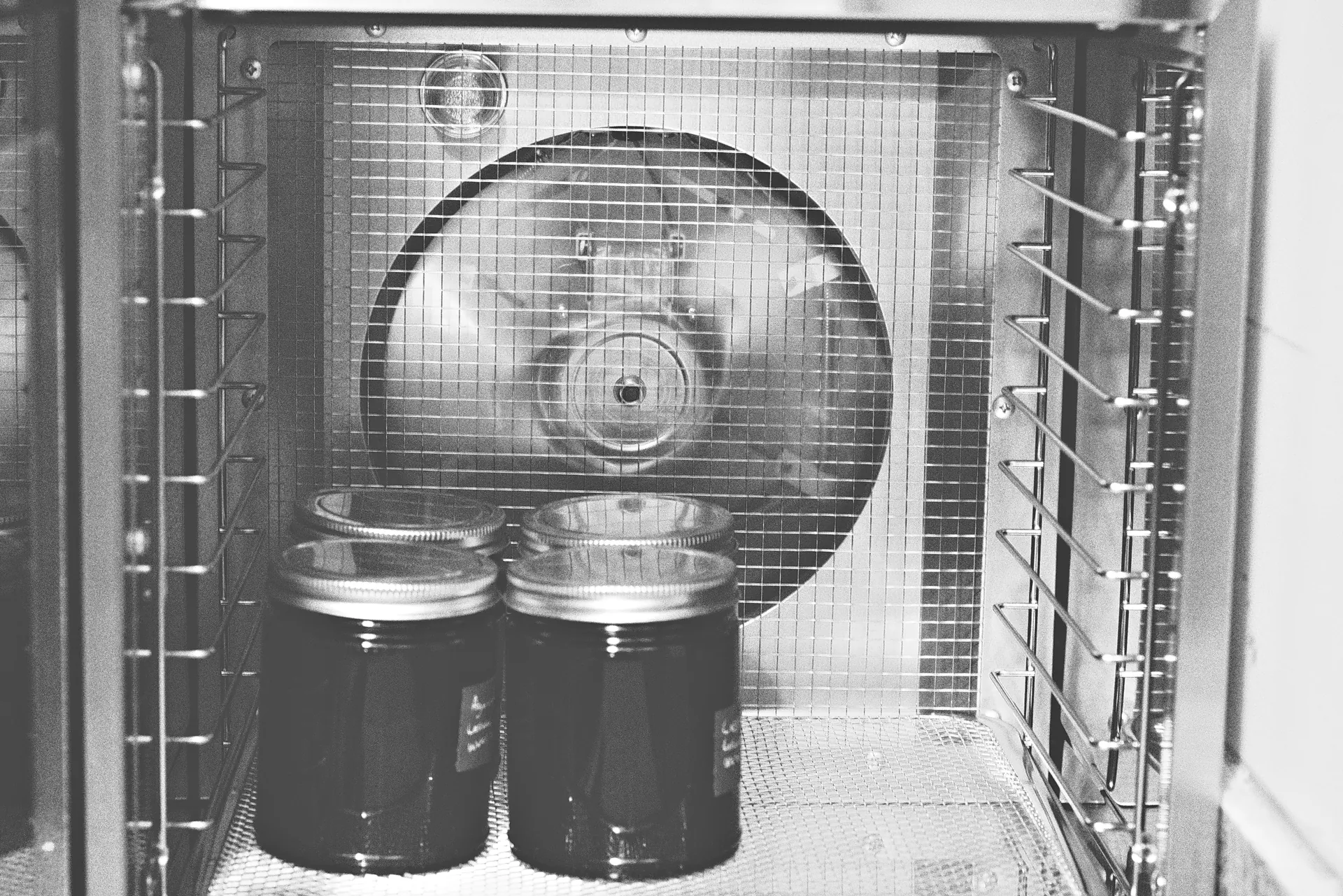
Applying this technique to incense involves mixing incense materials with a tiny amount of one or more enzyme(s), moistening the mixture with distilled water, and keeping it warm until the reaction has improved the material. I started with agarwood, cinnamon, sand ginger, and turmeric. I mixed each with 0.5% cellulase, and put them in a dehydrator to keep them at temperature. I’m keen to see how this turns out; there are many incense materials with wonderful fragrances that produce off-notes when burned. Calamus root, chamomile, osmanthus, and rose petals just to name a few. Being able to process these ingredients in such a way that they can be used in larger quantities, or at all, in combustible incense would be an absolute game changer. My hopes are high.
A Commission #
Not long ago I finished a formula commission for The World Makes Scents. The idea was a “masculine” fragrance almost in the vein of a fougère, but without oakmoss. It’s herbaceous, woody, and bright, with elements of red cedar, lavender, coumarin, and spice with the dried-fruit sweetness of labdanum, and a hint of patchouli. These are all notes that you might find in a modern men’s perfume, so it was a lot of fun to combine these ingredients as whole botanicals and see how they worked together in an all-natural incense stick. Last I heard, TWMS wanted to have this ready for the holiday season, and it looks like the packaging design is already done, so keep an eye out for it on their website.
Natural Isolates #
A key benefit to modern synthetic perfumery materials is that, unlike natural extracts, they allow perfumers to precisely create accords with one isolated fragrant molecule at a time, rather than dealing with the “muddiness” caused by using naturals, each containing innumerable fragrant molecules. So when a perfumer wants to make an all-natural perfume, but also wants the performance, clarity, and precision of modern materials, what do they do? They turn to natural isolates.
Take vanillin, for example, the key compound responsible for the incredible fragrance of vanilla beans. You can synthesize vanillin in a lab—react other molecules with each other until you’ve made a vanillin molecule. But you can also isolate vanillin from a material already containing it, such as vanilla beans, or cloves. In the latter process, the vanillin is natural because it was not created in the lab. It was there to begin with, and now it’s by itself.
But Nathan, you might ask, why would someone go to the trouble and cost of producing an isolate when the end result is chemically identical to the synthesized molecule? Surely vanillin is vanillin! The answer is that, for some reason, people are simply afraid of synthesized molecules even though they’re the exact same substance as natural ones. So, yes, vanillin is vanillin is vanillin, but if you want to be able to say that your perfume is all-natural to keep folk comfortable, a natural isolate lets you do that.
For folk that are also inclined to take issue with natural isolates because making them involves “processing,” scary blue gloves or laboratory glassware, I would point out that they might also want to avoid any incense containing camphor—a natural isolate that has been produced for centuries. I would then wish them good luck finding any traditional-style Japanese incense to burn!
At any rate, I snagged myself a few isolates to play with, specifically camphor (I wanted to try C. camphora as a departure from the borneol camphor I normally use), coumarin, patchoulol, and vanillin, from Fraterworks. I performed burn tests with each, and I was impressed with the results. The camphor did what camphor does; at six percent, it added a brightness to the burning wood base without offering much of a distinct note of its own. The coumarin and patchoulol added distinct, clear notes at as little as two percent. The vanillin offered sweetness at two percent, but really opened up into a distinct vanilla note at six. None of the isolates produced any off notes at all at the percentages used, and offered plenty of pungency in very small quantities. That’s a rare thing in an incense material, and I’m very excited to use these in further experiments.
